

Acquired Brain Injury
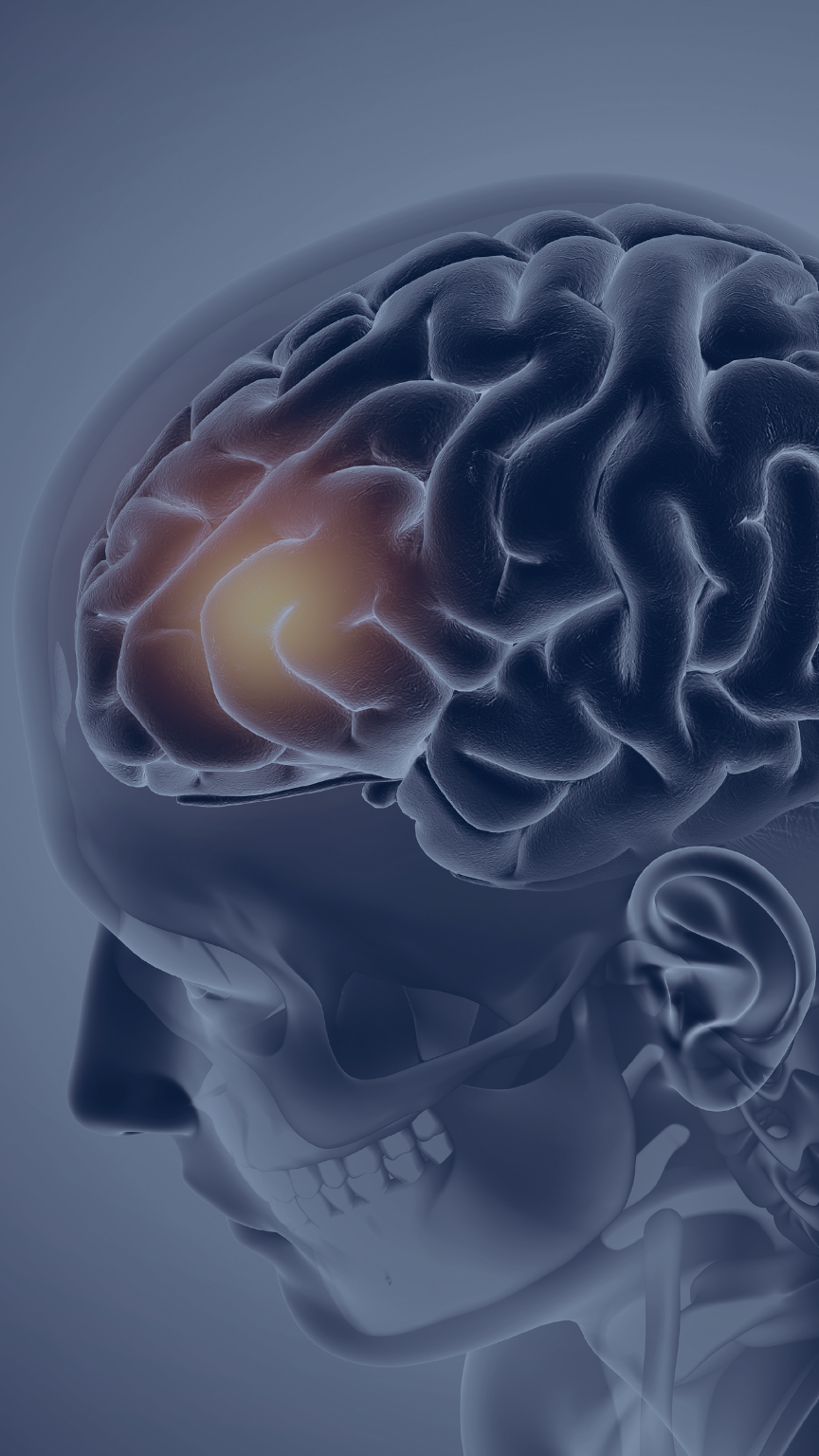
An acquired brain injury (ABI) is an injury to the brain that is not hereditary, congenital, degenerative, or induced by birth trauma.
This type of brain injury is one that has occurred after birth.
The injury results in a change to the brain’s neuronal activity, which affects the physical integrity, metabolic activity, or functional ability of nerve cells in the brain.
Traumatic
Brain Injury
A traumatic brain injury (TBI) is defined as an alteration in brain function, or other evidence of brain pathology, caused by an external force. Traumatic impact injuries can be defined as closed (or non-penetrating) or open (penetrating).
Causes of TBI:
Falls
Motor Vehicle Accidents
Assault
Sports Accident
Blasts
Gunshots
Stabbings
Non-Traumatic
Brain Injury
Often referred to as an acquired brain injury, a non-traumatic brain injury causes damage to the brain by internal factors.
Causes of a non-traumatic Brain Injury:
Stroke
Tumor
Drug Overdose
Infections
Seizures
Loss of Oxygen (choking, drowning, etc.)
Metabolic Disorders
symptoms of brain injury
Brain injury can have wide-ranging physical and psychological effects depending on the type of injury, how severe the injury is, and what area of the brain is injured.
TBI injuries can be both local (the exact place on the brain where the injury occurred) and include the surrounding tissues, which can also be affected by the damage to the initial site. Some symptoms appear right away, while others may evolve over time. A person with brain injury may or may not lose consciousness.
Always see your doctor if you or your loved one has received a blow to the head or body that concerns you or causes behavioral changes. Seek emergency medical care if there are any signs or symptoms of traumatic brain injury following a recent blow or other traumatic injury to the head.
Physical symptoms
Headache
Fatigue
Seizures
Nausea
Numbness
Poor Sleep
Light Sensitivity
Noise Sensitivity
Impaired Hearing
Blurred Vision
Dizziness/Loss of Balance
Neurologic Abnormalities
Cognitive symptoms
Inattentiveness
Diminished Concentration
Poor Memory
Impaired Judgement
Slow Processing Speed
Executive Dysfunction
Emotional symptoms
Anxiety
Depression
Agitation
Irritability
Aggression
Impulsivity
Higher Risk For
Anxiety
Depression
Post Traumatic Stress Disorder (PTSD)
Brain Bleed
Seizures/Epilepsy
Concussions
A concussion is a mild traumatic brain injury that is caused by a bump, blow or jolt to the head. This can potentially alter the way the brain works.
Concussions & Youth Sports
1. Seek medical attention right away. A health care professional will be able to decide how serious the concussion is and when it is safe for your child to return to sports.
2. Keep your child out of play. Concussions take time to heal. Don’t let your child return to play until a health care professional says it’s OK. Children who return to play too soon—while the brain is still healing—risk a greater chance of having a second concussion. Second or later concussions can be very serious. They can cause permanent brain damage, affecting your child for a lifetime.
3. Tell your child’s coach about any recent concussion. Coaches should know if your child had a recent concussion. Your child’s coach may not know about a concussion your child received in another sport or activity unless you tell the coach.
Signs & Symptoms
Headache/head “pressure”
Nausea/vomiting
Balance problems/dizziness
Double/blurry vision
Light/noise sensitivity
Feeling sluggish/hazy
Confusion
Concentration/memory problems
Reporting not feeling “right”
Appears dazed/stunned
Forgetfulness
Moves clumsily
Answers questions slowly
Loss of consciousness
Behavioral/personality changes
Domestic Violence
In domestic violence, brain injury is often underreported, can occur over many incidents, and can range in severity. If you believe you have had an injury to your face, neck, or head, you should speak with your medical provider, especially if you have symptoms of a brain injury.
Domestic violence is a pattern of behavior in any relationship that is used to gain and maintain power and control over their partner, ex-partner, or family member. Domestic violence can take many forms, including emotional and verbal abuse, coercion, financial abuse, stalking, and physical violence.
A brain injury can occur after being hit in the head, strangled, or choked by a partner.
Everyone deserves to be safe at home, and with their intimate partners. If you or someone you know is experiencing domestic violence, reach out for help. Domestic Violence Advocates can help with safety planning, support, and referrals.
If you are in immediate danger, call 911. Relocate to a safe environment, if possible.
For assistance finding a local domestic violence program in Ohio you can contact Ohio Domestic Violence Network (ODVN) at 1-800-934-9840 or 614-781-9651 if you are outside of Ohio you can contact the National Domestic Violence Hotline at 1-800-799-7233 for assistance.
This project was supported by Grant No. 15JOVW-23-GK-00743-DISA awarded by the Office on Violence Against Women, U.S. Department of Justice. The opinions, findings, conclusions, and recommendations expressed in this publication/program/exhibition are those of the author(s) and do not necessarily reflect the views of the U.S. Department of Justice.
Seek Immediate Medical Attention if Symptoms Worsen
Difficulty/painful breathing
Difficulty speaking/walking
Seizures
Worsening headaches
Pupil changes or pupils are different sizes
Vomiting or unable to control pee or poop
Repeat blows to the head
Passing out/loss of consciousness
Medical imaging may not always show a brain injury, especially one that occurred long ago or that did not cause significant structural damage; however, imaging can show medical abnormalities like blood clots and brain bleeds immediately following an injury.
It is important to keep lists of symptoms you are having and share those with your medical provider, this can assist in diagnosing and receiving referrals to the appropriate care providers.
Symptoms from a brain injury may be long lasting and the impact may not be immediately noticeable; especially in cases of domestic violence where injuries have occurred repeatedly, overtime.
Medical providers should also take into consideration the psychological impact of domestic violence that can cause anxiety, depression, and other psychiatric needs that can overlap and worsen with brain injury.
Continue seeking medical care if you have persistent symptoms and encourage your medical providers to utilize you and your experiences as a part of the treatment team and treatment plan.